HSHS Cyber Attack Settlement Nears Final Approval: Key Compliance Lessons from $7.6M Data Breach Case

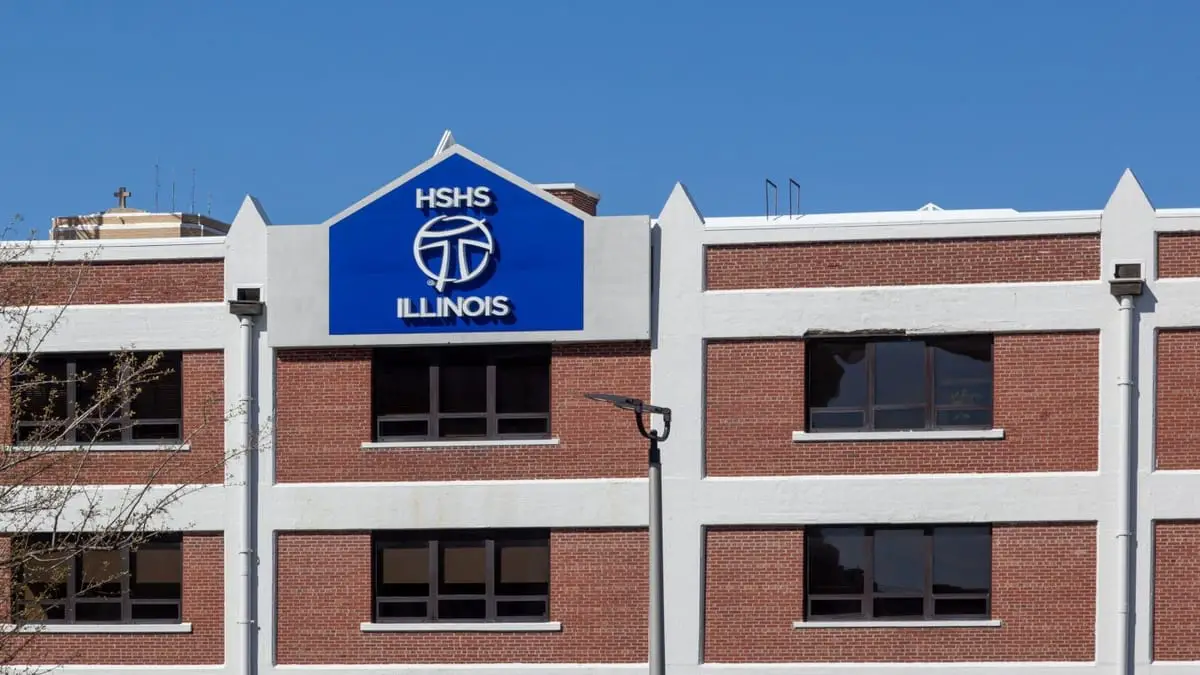
Analysis of the Hospital Sisters Health System settlement and its implications for healthcare cybersecurity compliance
Executive Summary
A significant healthcare data breach settlement is moving toward final court approval, offering critical insights for healthcare organizations navigating HIPAA compliance and incident response obligations. The Hospital Sisters Health System (HSHS) cyber attack, which occurred over just eight days in August 2023, has resulted in a proposed $7.6 million settlement affecting nearly 870,000 patients—one of the larger healthcare breach settlements in recent years.
Incident Overview
Between August 16-23, 2023, HSHS suffered a cyber attack that compromised the personal and protected health information (PHI) of 868,871 individuals. While the specific attack vector hasn't been publicly disclosed, the breach's duration and scope suggest a sophisticated ransomware or network intrusion event that significantly disrupted HSHS operations, including their electronic health records systems and communication infrastructure.
Settlement Structure and Response
The preliminary settlement, granted court approval on August 15, 2025, demonstrates several noteworthy characteristics:
Financial Relief Components:
- Total settlement fund: $7.6 million
- Direct monetary compensation available to affected individuals
- Credit monitoring services
- Identity theft protection benefits
Class Participation Metrics:
The settlement received exceptionally strong support from affected individuals, with metrics that court documents describe as "outstanding":
- Claims filed: Nearly 100,000 total claims across multiple formats
- 80,000 postcard claim forms
- 17,377 online submissions
- 24 paper forms
- Claim rate: 11.2% of eligible class members
- Opt-outs: Only 19 individuals (0.002%)
- Objections: Single objection filed
This 11.2% claim rate significantly exceeds typical data breach settlement participation, which often ranges between 3-8%. The minimal opt-outs and objections suggest affected individuals viewed the settlement terms as fair and the notification process as effective.
Legal Framework and Allegations
The plaintiffs alleged that HSHS failed to implement adequate safeguards to protect patient information, raising questions about the organization's compliance with:
- HIPAA Security Rule requirements for administrative, physical, and technical safeguards
- State data breach notification laws in Illinois and other jurisdictions
- Common law duties to protect sensitive personal information
The settlement agreement explicitly states HSHS "denies any wrongdoing," a standard legal position that allows organizations to resolve litigation without admitting liability while still providing relief to affected individuals.
Compliance Implications for Healthcare Organizations
1. The Cost of Inadequate Cybersecurity
At $7.6 million for approximately 870,000 affected individuals, this translates to roughly $8.75 per affected person in settlement costs alone—not including:
- Legal fees and litigation costs
- Regulatory fines and penalties
- Operational disruption costs
- Reputation damage
- Enhanced security implementation post-breach
For healthcare organizations conducting risk assessments under HIPAA's Security Rule, this case provides concrete data points for calculating potential breach costs.
2. The Eight-Day Window
The attack's duration (August 16-23, 2023) highlights a critical compliance consideration: organizations have extremely limited time to detect, contain, and remediate sophisticated attacks. The week-long compromise suggests either:
- Delayed detection of the initial intrusion
- Complexity in containing the threat once detected
- Significant forensic investigation requirements
This underscores the importance of:
- 24/7 security monitoring capabilities
- Incident response plans with clearly defined escalation procedures
- Regular tabletop exercises and breach simulations
- Endpoint detection and response (EDR) solutions
3. Notification Effectiveness
The settlement's high claim rate suggests HSHS's notification process was notably effective. Healthcare organizations should examine their breach notification procedures to ensure:
- Multi-channel communication: The settlement utilized postcards, online portals, and paper forms
- Clear, accessible language explaining impacts and available remedies
- Reasonable claim periods (ran until November 14, 2025, providing adequate time)
- Low-barrier claim processes allowing multiple submission methods
4. The "Good Faith Negotiation" Defense
Court documents emphasize that the settlement resulted from "good faith, arm's-length negotiations over many months, in addition to a full-day mediation session." This demonstrates the value of:
- Engaging experienced breach counsel immediately after discovery
- Approaching settlement negotiations seriously and professionally
- Demonstrating transparency about the incident's scope
- Working collaboratively with plaintiffs' counsel when appropriate
Regulatory Considerations
While the court settlement addresses civil litigation, healthcare organizations must remember that HIPAA breaches affecting 500+ individuals trigger separate regulatory obligations:
OCR Notification Requirements:
- Notification to the Department of Health and Human Services Office for Civil Rights
- Public posting on the "Wall of Shame" breach portal
- Potential OCR investigation and corrective action plan
State Attorney General Notifications:
- Multi-state breach notifications when residents of multiple states are affected
- Varying state-specific requirements for notification timing and content
As of publication, the HSHS breach appears on HHS's breach portal, confirming regulatory notification occurred alongside the civil litigation.
No Evidence of Misuse—But Does It Matter?
HSHS's statement that "no evidence was found that any personal information or protected health information was misused in instances of fraud or identity theft" raises an important compliance question: does the absence of confirmed misuse reduce an organization's liability or regulatory exposure?
The answer is nuanced:
From a regulatory perspective: HIPAA violations are based on improper disclosure or access, regardless of whether harm occurs. The Security Rule requires safeguards to reduce risk to a reasonable level—failure to implement adequate safeguards constitutes a violation even if no fraud results.
From a civil litigation perspective: Plaintiffs often argue that the increased risk of future identity theft and the time/effort required to monitor accounts constitutes compensable harm, even without actual identity theft. This settlement's approval suggests courts accept this reasoning.
For risk management: Organizations cannot rely on "no harm, no foul" reasoning. The mere exposure of PHI creates legal liability, regulatory obligations, and reputational damage.
Best Practices Moving Forward
Healthcare organizations should derive several action items from the HSHS case:
Immediate Actions:
- Conduct gap assessments against HIPAA Security Rule requirements, particularly:
- Access controls and authentication mechanisms
- Encryption of data at rest and in transit
- Network segmentation and zero-trust architecture
- Incident detection and response capabilities
- Review incident response plans to ensure:
- Clear roles and responsibilities
- 24/7 contact information for key personnel
- Defined communication protocols with legal counsel
- Pre-approved vendor relationships for forensics and notification services
- Evaluate cyber insurance coverage to understand:
- Coverage limits for breach response costs
- Settlement and judgment coverage
- Regulatory fine coverage (where permitted)
- Business interruption provisions
Long-term Investments:
- Enhanced monitoring and detection through:
- Security Information and Event Management (SIEM) systems
- User and Entity Behavior Analytics (UEBA)
- Threat intelligence integration
- Regular penetration testing and vulnerability assessments
- Staff training and awareness focusing on:
- Phishing and social engineering recognition
- Proper handling of PHI
- Incident reporting procedures
- Password hygiene and MFA adoption
- Vendor risk management including:
- Business Associate Agreement (BAA) compliance
- Third-party security assessments
- Supply chain risk evaluation
- Contractual provisions for breach notification and liability
The Settlement Approval Process
The plaintiffs' motion for final approval highlights several factors courts consider when evaluating class action settlements:
Fairness and Adequacy:
- Settlement provides "meaningful relief" through multiple benefit types
- Compensation structure is clear and achievable
- Claims process is accessible with multiple submission options
Procedural Propriety:
- Arm's-length negotiations demonstrate no collusion
- Mediation involvement suggests good-faith effort
- Notice program reached all 868,871 class members effectively
Class Response:
- Extremely low opt-out rate (0.002%)
- Minimal objections (1 of 868,871)
- Strong claim rate (11.2%)
These factors suggest final approval is likely, though the court retains discretion to request modifications or additional information.
Attorney Fees and Service Awards
The motion also seeks approval of attorney fees and service awards for class representatives. While specific amounts weren't disclosed in available documents, typical class action settlements allocate:
- Attorney fees: Usually 25-33% of the settlement fund, potentially $1.9-2.5 million in this case
- Service awards: $5,000-15,000 per named plaintiff for their time and effort
- Administrative costs: Notice, claims processing, and settlement administration expenses
Healthcare organizations should budget for these additional costs when evaluating potential settlement scenarios during breach response planning.
Conclusion: Prevention Remains More Cost-Effective Than Remediation
The HSHS settlement illustrates a fundamental compliance principle: investing in robust cybersecurity safeguards is invariably more cost-effective than managing the aftermath of a significant breach.
At $7.6 million in settlement costs alone—before accounting for legal fees, regulatory penalties, operational disruption, and reputational harm—the total cost of this eight-day breach likely exceeds $10-15 million. This amount would fund:
- Comprehensive security infrastructure upgrades
- Multiple years of enhanced monitoring and response capabilities
- Extensive staff training and awareness programs
- Regular third-party security assessments
- Robust business continuity and disaster recovery systems
For healthcare compliance officers, CISOs, and risk management professionals, the HSHS case provides clear evidence that cybersecurity is not merely a technical concern but a fundamental component of regulatory compliance, financial risk management, and patient trust.
As this settlement moves toward final approval, healthcare organizations should use it as a catalyst to re-evaluate their own security postures, incident response capabilities, and compliance frameworks. The question is not whether a cyber attack will occur, but whether your organization is prepared to detect, respond to, and recover from one when it does.
The final court hearing for settlement approval will determine whether HSHS can close this chapter of its breach response. Regardless of the outcome, the lessons from this case will continue to inform healthcare cybersecurity compliance for years to come.